
Solar Energy and The All Electric Home
The irony is not lost on me, as I sit down to write an article about harnessing the power of the sun’s energy in mid-February 2026 in the UK, following the 4th wettest January in 120 years and 41 days (and counting) of rainfall. Thankfully, any number of AI engines are now on hand to generate me a picture of the Sun to remind me what it looks like.
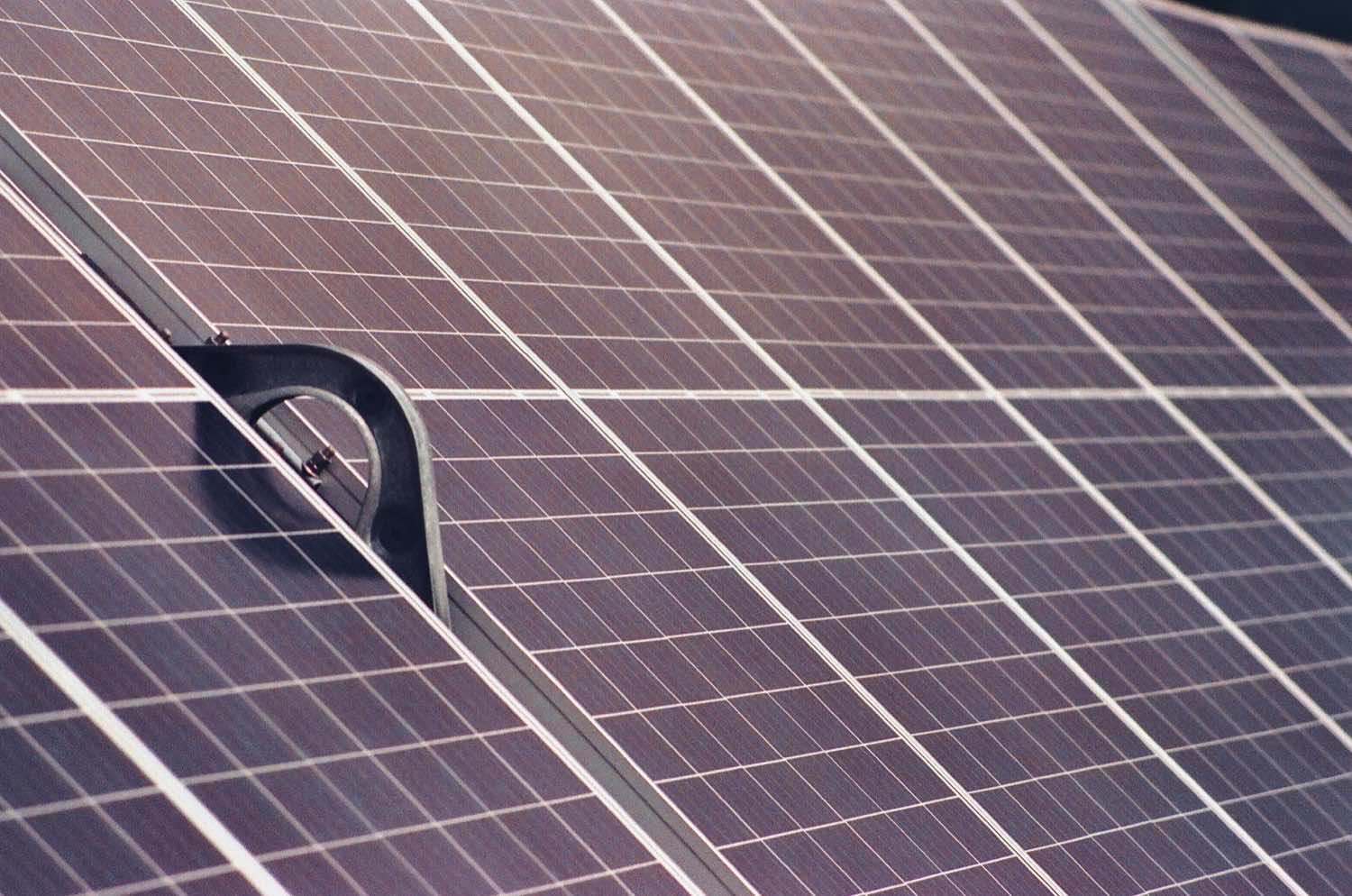

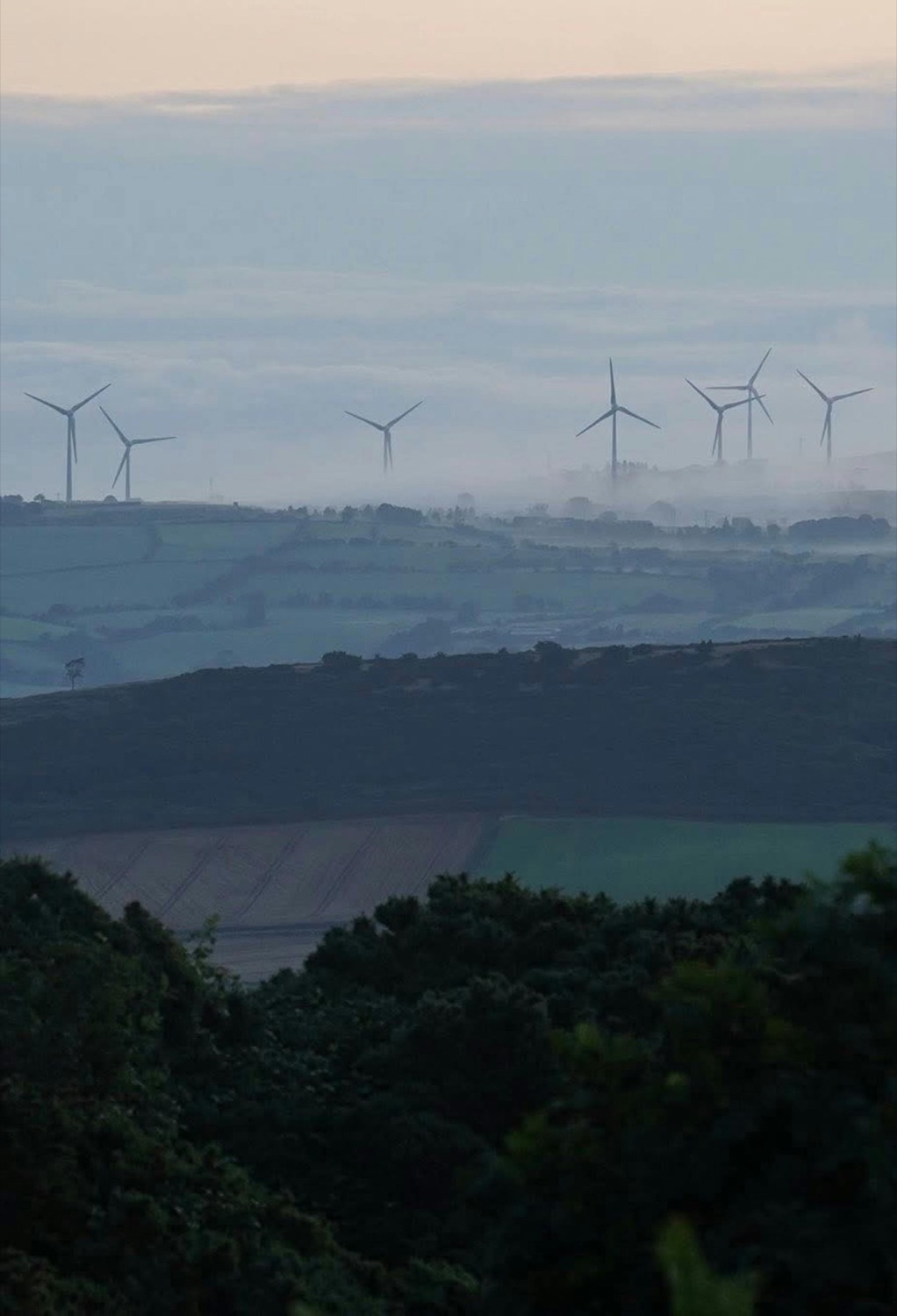
While our PVs sit idle under these never-ending storm clouds, the wind turbines simply say ‘hold my beer’
Even though we can’t see it through the clouds, we know it’s there, with huge potential for generating cheap electrical energy from rooftop photovoltaic (PV) arrays or commercial solar farms. With enough hydrogen to last another 5 billion years, the Sun is as reliable as they come. Fuel supply is not going to be a problem.
In the UK, our historical energy use was founded on burning cheap and abundant North Sea gas. To meet our legally binding Climate Change Act 2008 commitments (combined with declining gas reserves) we must transition our energy reliance from carbon hungry fossil fuels to cleaner electrical power. This has the potential to put the grid under stress and if we all had a heat pump and an electric car tomorrow, the grid would collapse – there currently isn’t enough to go round.
We also import a large amount of energy and feel the impacts of distant conflicts on our household bills. Recent price surges have thrown many into fuel poverty. With large oil and gas reserves under the control of unsavoury states, energy has become a national security issue. It is no surprise that the dual mission statement of the new Great British Energy Company addresses both electrification and energy security.
The so-called ‘greening of the grid’ is the gradual replacement of fossil fuels for a wider mix of renewable energy from solar panels, onshore / offshore wind, geothermal and hydropower. While our PVs sit idle under these never-ending storm clouds, the wind turbines simply say ‘hold my beer’. Diversification of sources helps us adapt to weather patterns.
To support the grid’s transition and capacity issues, generating energy at the point of use is a helpful release value. Using electricity straight off your own roof is cheaper, has no transition losses from the power station to your home and helps smooth off the peaks in grid demand. This is why domestic solar, along with community scale energy schemes are critical to enabling the nation’s overall energy strategy.
Technologies for your home come at a price, so utilising the Sun’s power effectively is about playing the long game. This article looks at ways we can harness the Sun’s energy for free and via renewables to reduce our bills, save money long term and lower our carbon emissions.
Using the power of the Sun
There are five beneficial ways that we can use the Sun’s energy for our homes:
- Free heating. Low winter sun entering our homes acts as free heating, reducing the load on our central heating systems.
- Creating hot water. Solar thermal is the process of using the Sun’s heat energy to heat hot water, which is then stored until needed. Alternatively, excess energy from a solar PV array can be used to add heat to a hot water cylinder reducing the load on your boiler.
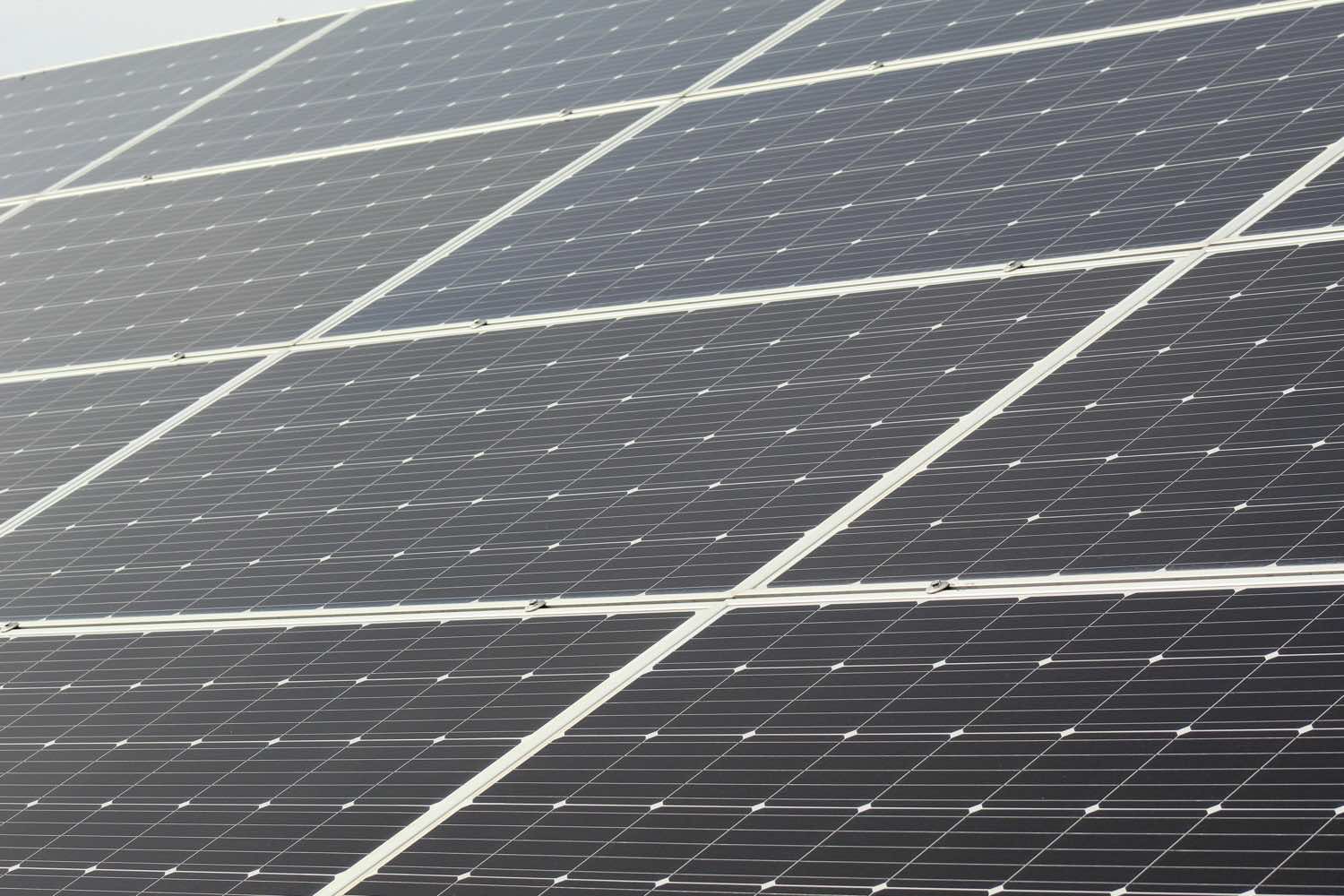
- Generating electricity for immediate use. Solar PV harnesses the Sun’s electrons to create direct current (DC) that is converted to useful alternating current (AC) using an inverter to power the home. PV can be retrofitted to most building types or Building Integrated (BIPV) as part of a new build as a structural element or finish.
- Collecting electricity for later. Adding a battery to a PV system allows any energy generated to be stored for later, meaning peak grid prices can be avoided.
- Selling electricity. Excess electricity can be sold back to your energy provider.
There are negative ways the Sun can affect homes too, leading to overheating, principally from too much glazing, lack of shading and lack of insulation in walls and roofs. Returning to the positive benefits, let’s take a deeper dive into each.
Free Solar Gain
Capturing helpful solar gain is a good design principle that is exemplified in the Passivhaus approach. In a Passivhaus design you’ll often find large (shaded) south facing windows, with fewer windows facing N/E/W.
South facing windows are easy to design with horizontal shading and solar control glass to get the maximum benefit of winter sun whilst avoiding unwanted summer overheating. PHPP can optimise the shading depths, illustrating the impacts on Space Heating Demand and overheating risk.
With free solar gain, less energy needs to be generated by the heating system in winter. A few simple decisions at the start of a project can massively reduce the running cost of the building over its lifetime:
- For new builds, pick the best orientation considering site constraints and natural shading from trees or neighbouring structures,
- Careful sizing and placement of windows to reduce overheating risk,
- Use simulation software like PHPP to test designs from Stage 2 to optimise the window specification, glazing g-values and shading depths.
If you’re lucky enough to be reading this from the Southern Hemisphere, the principles are the same, but reversed North-South.
Solar Thermal
Solar Thermal comes in two types of panels – flat plate and evacuated tube. These are far more common in Mediterranean climates due to the higher angle of the sun and the speed at which hot water can be produced.
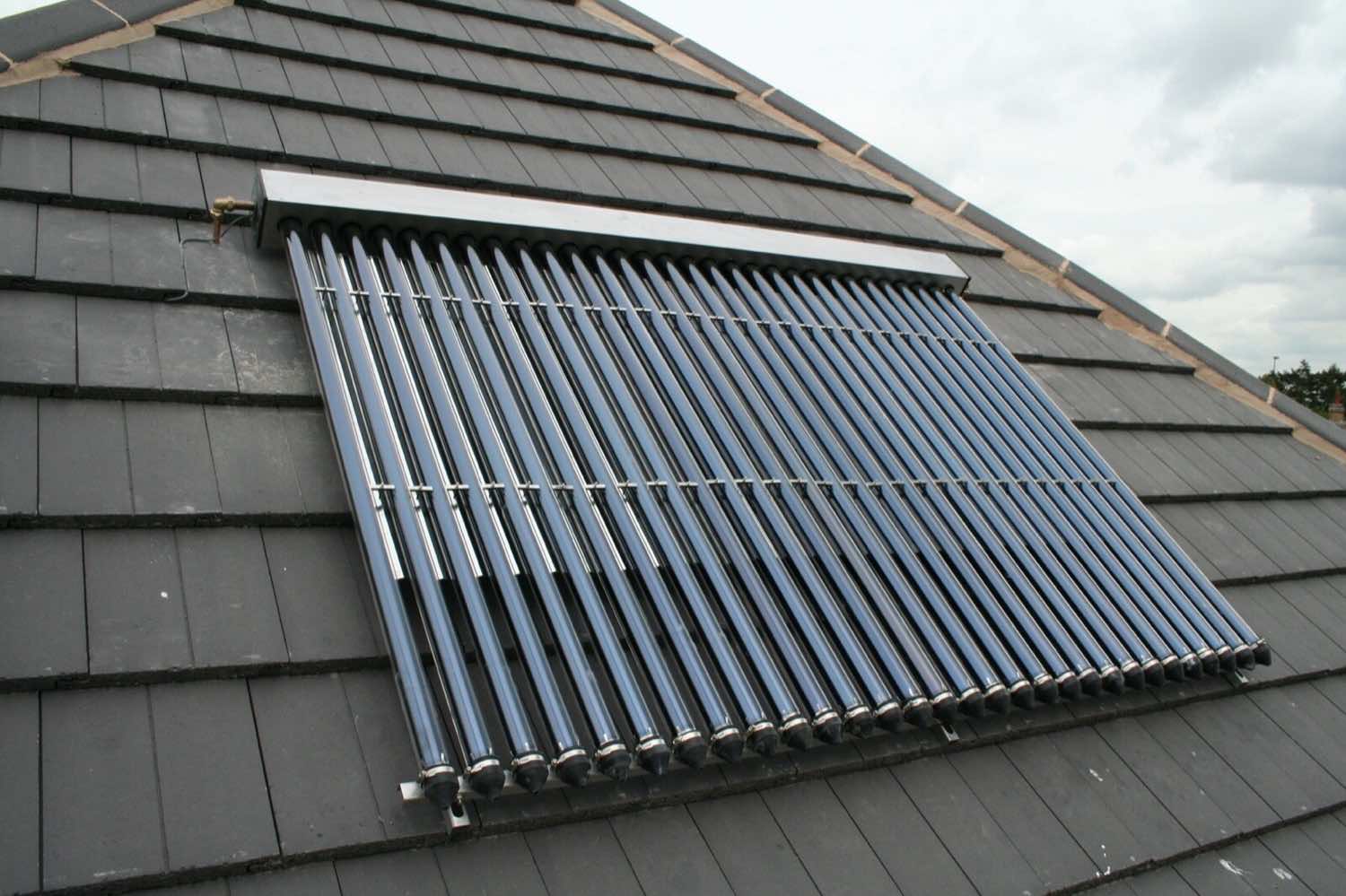
In the UK they can be appropriate too, but the roof pitch and orientation make a big difference to the efficiency (ideally 30-40deg and south facing). As our sun path remains low during winter, it is unlikely you could rely on this as a sole hot water solution, meaning a back-up system is needed.
- Flat plate collectors look much like PVs, with a dark collector plate located under a protective glass finish. Water flows through them, heating the water directly.
- Evacuated glass tubes (i.e. a vacuum) contain a pipe that transfers heat to a heat exchanger, which the water flows through. ‘Direct flow’ evacuated tubes have water circulating through each tube.
Both systems create hot water that is stored in an insulated tank until needed. For homes with a combi boiler, there’ll be no hot water tank, so this is a non-starter for a retrofit. Homes with traditional boilers or ASHPs will have a hot water storage tank, so could take advantage of solar thermal. Modern tanks will have a greater range of inputs and outputs available for compatible technologies.
For many homes, only a percentage of the roof space is available for renewables, once you’ve taken out dormers, rooflights, shading from chimneys etc. The question I ask with solar thermal is: what is more useful to you – hot water or electricity? If you have a young family and use lots of baths, then cheap hot water might be very appealing. However, for most homes, electricity is a more useful commodity, and therefore PV arrays tend to be prioritised over solar thermal.
The installation is very similar to PV, using proprietary brackets and rails fixed into the underlying roof structure avoiding load directly onto the roof finish, e.g. tiles or slates. They can also be built into the roof using proprietary trays that deal with the weathering around the edges. This saves the cost of the roof tiles below and gives a sleeker roof form. Ground mounting (or flat roof) is possible using a frame and ballast system.
An electrical connection is needed to power the pumps and sensors in the system. Pipe routes are needed back to the tank, which must be insulated along their length. Any exposed pipe insulation must be UV resistant. The placement of solar collectors relative to an existing tank’s location can be a constraint.
The overall efficiency from solar thermal is better than with PV and they are low maintenance once installed. However, with the low winter output for Northern Europeans climates, constraints around hot water tanks (and sometimes the aesthetics) makes them less popular in the UK than solar PV.
Solar PV
The new Warm Homes Plan shows the government’s intent to back solar PV and heat pumps as the way to drive decarbonisation in the domestic sector. On paper, it’s a no brainer:
- A tiny fraction of the nation’s roofs are currently being utilised for solar energy,
- Compared to other retrofit measures, there are few interactions to consider,
- Disruption to the occupants is very small,
- The cost of PV panels is dropping year on year,
- Grid electricity is expensive (4x the cost of gas),
- Payback period of 7-10 years with very little maintenance (‘fit and forget’)
- Local generation reduces the load on the grid.
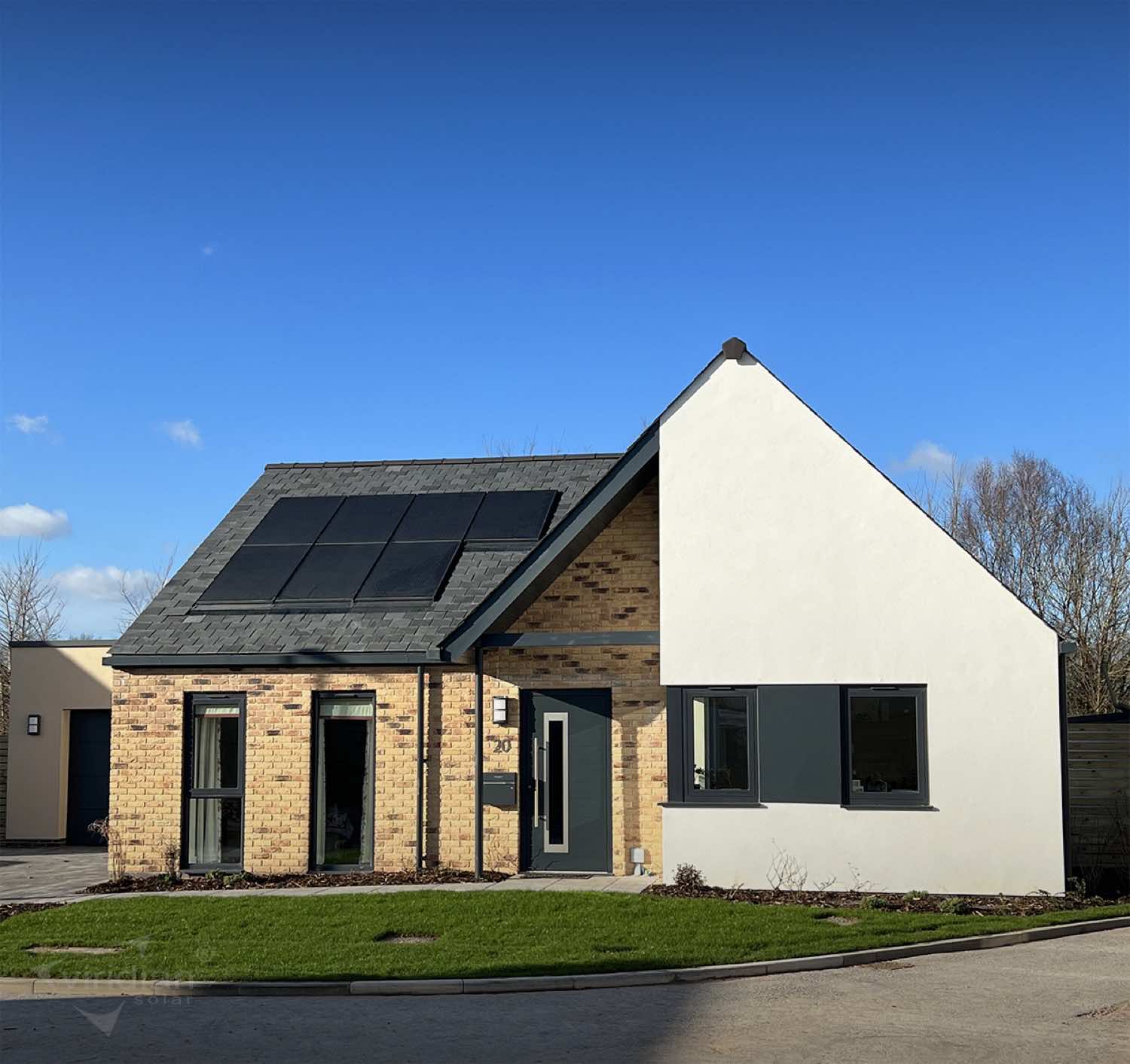
Image Credit: Viridian Solar
Like wind turbines, PV can be a love it or loathe it aesthetic. Volume house builders avoid installing PV so as not to put off potential buyers. Social landlords have tended to be fairly cool about PV due to the way they bear the upfront cost, but the tenant gets all the benefit. Other barriers to retrofitting a PV array are:
- The initial upfront investment which could be £5-8,000 (without battery),
- Roof shape and orientation may not be optimal,
- Visual impact in Conservation Areas and on Listed Buildings (although locations like the hidden faces of valley roofs are becoming more acceptable),
- If the roof needs repairs first,
- Lower outputs in winter compared to summer – although solar PV is not an attempt to be completely ‘off-grid’, simply to use less of it.
For lower income homes, financial support is possible through government funded projects and more low interest purchase schemes are also on the horizon, increasing affordability for more people.
Design is key to optimising performance. This diagram shows the impact of orientation and roof pitch on the electrical output.
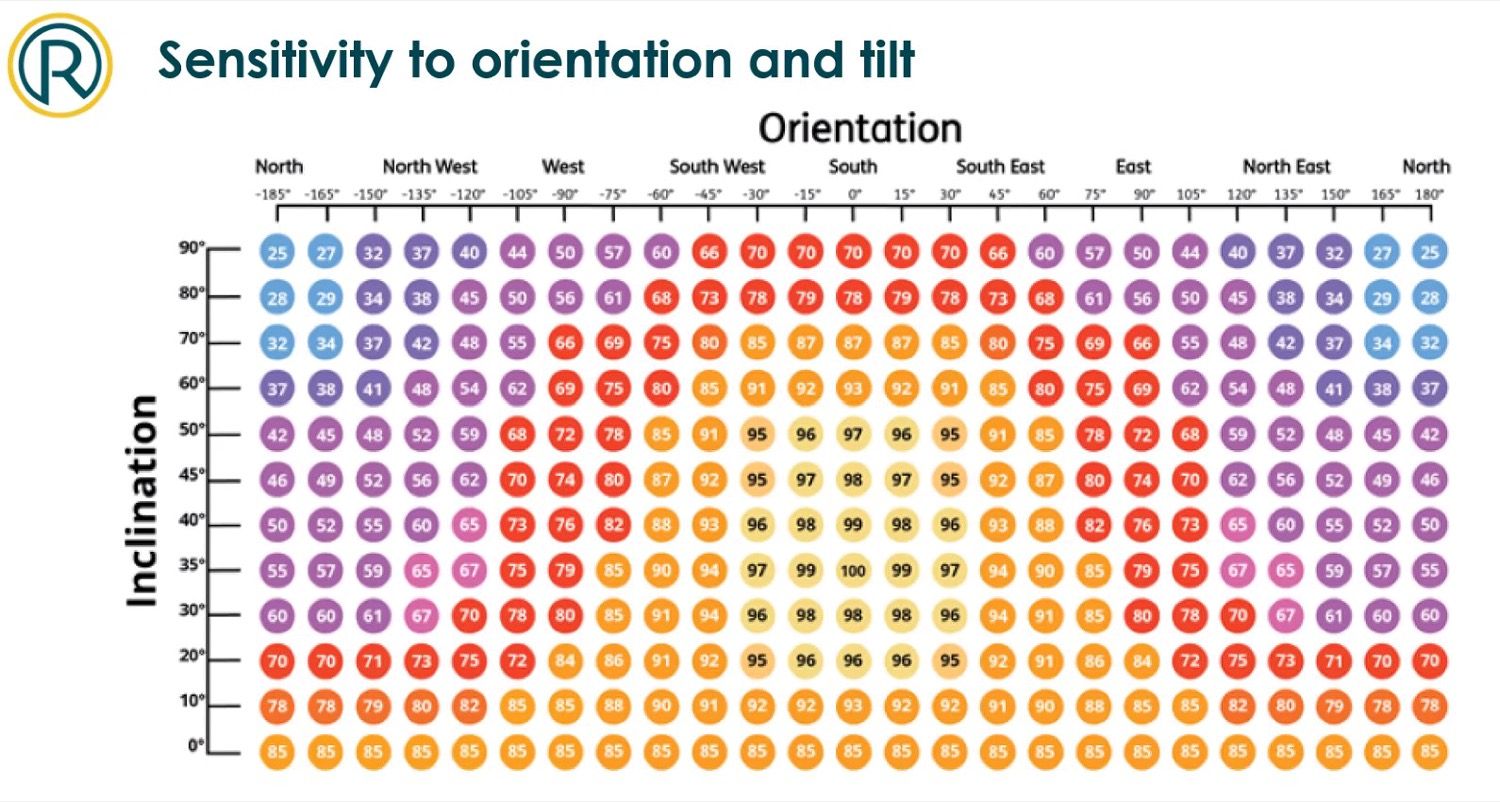
Image Credit: Retrofit Academy
Installation
Another Detail Library article covers the design and installation of solar PV.
Building Integrated (BIPV) arrays be onto flat walls, canopies (doubling as shading devices) and freestanding structures like commercial car parking canopies. Unlike standard roof mounting, these may not be covered by Permitted Development, so planning permission is likely to be needed. These systems may be more exposed, with greater risk of vandalism or a visit from a wannabe-Banksy.
Other examples of integrated PVs are:
- Solar tiles or slates – these are an aesthetic choice often reserved for heritage installations due to the unobtrusive nature of the final finish. They are expensive, with lower output than traditional panels.
- Solar film – this is applied over existing roof finishes and can be particularly effective with something like standing seam, running subtly within each tray. Currently these only create a fraction of the output of a traditional panel.
Other solar PV considerations:
- Panels and accessories installed at the same time qualify for lower VAT, so splitting out items to install later could cost more overall with full VAT applied.
- Shading onto one panel causes the whole array output to drop unless micro-inverters are used in each individual panel.
- Bird netting can prevent birds nesting under the panels if the surface is fixed.
Batteries
The primary purpose of a battery is to store the excess energy from your roof in order to use it later. This energy is cheaper than grid energy, particularly at peak times in the evening. Being selective about when you use the washing machine or dishwasher can mean you can run these for free.
Having a battery does not necessarily mean that you can power your home during a power cut. In most cases the battery will shut off, making the local infrastructure safe for the engineers arriving to fix the supply problem. Additional hardware enables a battery to be used during a power outage, like the Tesla Backup Gateway, which isolates the house from the grid and allows the house to draw power from the battery, keeping the essentials like the fridge freezer running.
Batteries can support running an EV via a home charger but note a house battery at 6kWh will not charge a car with a 65kWh battery. By charging off peak, inputting excess power from a battery only contributes to a cheaper charge.
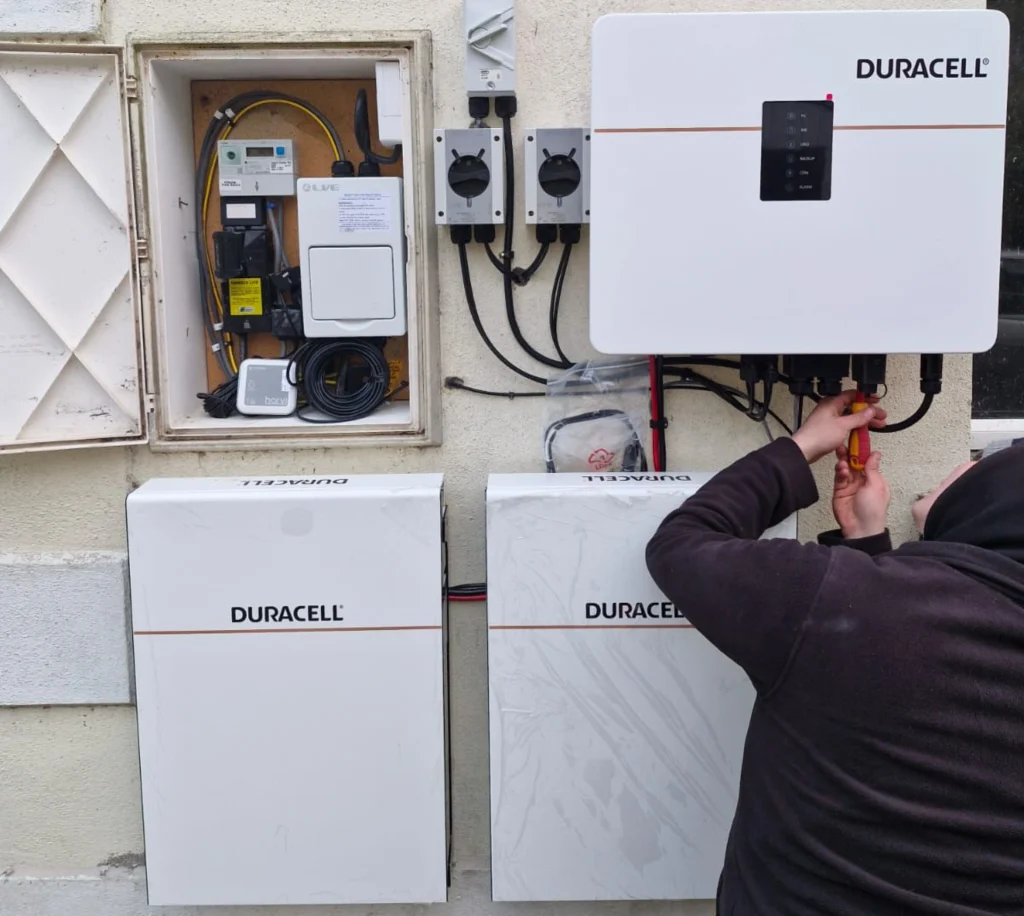
Image Credit: Duracell Install
Batteries can be retrofitted onto an existing array if the inverter is compatible. The battery size (small c. 3kWh, medium 6-7kWh, large +10 kWh) will be based on property size, occupancy and usage. Prices (from c.£2,000 – £10,000) should include 0% VAT until 2027.
Current best practice for battery design and placement within the home is already covered in this article.
Solar Diverters
Most PV systems have a priority e.g. 1) use the energy you produce live on background loads (the fridge), 2) send excess to a battery until full, then 3) export to the grid.
With a solar diverter, before exporting excess energy, you can send it to your hot water tank, reducing the work of the boiler. If you are on a good export tariff then the financial savings may be minimal, but it will save carbon if less gas is being used.
PHi stress test example, PHPP Manual v10
Exporting
To export unused electricity to the grid, you’ll first need a Smart Meter. Next, shop around for a good Smart Export Guarantee (SEG) or ‘export tariff’, where you get paid for every kWh zapped back into the grid. Rates are typically around 15p / kWh, but can be as low as 7p or as high as 25p. As a comparison, the cost of buying electricity from the grid is around 28p per kWh plus a daily standard charge.
Once these are in place, you will start to get the real benefits of your solar energy. In the short term, your bills will reduce as you rely less on the grid, and long term, the export payments chip away at your original investment, reducing the payback period. For a well oriented array of 10-12 panels on a family sized home, you could pay nothing for electricity from May to September due to the money you recoup through exporting.
In the able-to-pay retrofit market, many see solar PV as an investment that delivers bill savings and increases property value. There’s a noticeable feel-good factor when you check your PV output on a sunny day and see how self-sufficient you are. I’m sure the Germans have a word for it, maybe Photovoltaikcheeran?
Summary
Anything in the home that uses electricity will take advantage of the energy produced from a solar PV array before looking to the mains. Review each home for retrofit opportunities and plan for renewables in new builds from concept stage.
As I complete the final words of this article and look to power down my laptop and turn off my desk lamp, the sun finally emerges from behind a cloud, streaming photons onto my PVs, releasing free energy into my home’s electricity circuits. Even Alanis Morissette would understand the irony in that. Don’tcha think?
Related Reading


Author
Written by Alex Bell, BSc(Hons) MArch ARB RIBA CR, Retrofit Architect, Retrofit Coordinator and Passivhaus Designer with 25 years’ experience of design and construction. Alex practises low energy, sustainable design using the Passivhaus principles, EnerPHit or the PAS 2035 Retrofit approach.
